
How Older People Perceive Heatwaves
A Study on the Perception of climate Change and Extreme Weather Events
St. Pölten/Krems (pts023/12.08.2026/15:20)
Older people are not only more strongly affected by heatwaves in terms of health. Due to their experiences, they are also important witnesses of climate change. A study carried out by Karl Landsteiner University of Health Sciences (KL) and USTP – University of Applied Sciences St. Pölten explored how people over the age of 50 perceive extreme weather and climate change, and which social and economic factors influence their perspectives.
Older people in Austria have noticed an increase in the number of extreme weather events since their childhoods. How strongly they notice these changes, however, has been found to depend on several social and economic factors. A recent study of KL Krems and USTP shows that environmental awareness, place of residence, level of education, and financial situation are influencing factors when it comes to the perception of extreme weather events in people aged 50 and above.
Memory and Climate Research
For several reasons, older people are of interest for climate research. First, they are particularly vulnerable to the adverse effects of heat. Second, they have a long memory in terms of the change of the seasons and their local environment. And as their share of the population grows, their housing needs, mobility, consumption, and everyday behaviours are becoming more and more important for climate policies. At the same time, these people's knowledge, experience, and social capital can help us to adapt to climate change.
The study examined people's perception of changes in the frequency and intensity of heat, droughts, storms, precipitation, and flooding as well as the changed prevalence of snow. On the basis of Austrian data from a Europe-wide survey, the study showed that people perceive climate change not only based on measurable weather changes – they also classify it in view of their own living conditions and personal experiences.
More than Just Weather
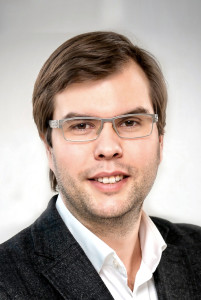
"Older people do not experience climate in a social vacuum", says Jasmin Riederer from the Department of Gerontology and Health Research at KL Krems. "Our results show that the perception of extreme weather events is shaped strongly by a person's environmental awareness, living environment, and socioeconomic factors. This knowledge is decisive for climate communication and adaptation measures to effectively reach diverse population groups."
For example, the place of residence makes a difference: Older people living in big cities felt a stronger increase of extreme weather than those living in medium-sized or small towns or in rural areas. A possible explanation is that certain climate effects – for example, extreme heat – are more immediately noticeable in densely populated cities. People living in rural areas are more likely to interpret weather fluctuations as part of long-term seasonal variations.
Social Filters
Level of education and financial situation also influenced the results: Respondents with a higher educational level perceived stronger increases in extreme weather events than those with a lower level of education. Likewise, considerable financial hardship was linked to a stronger perception of extreme weather, while moderate financial difficulties were not associated with any significant difference in perception compared to people living in secure financial circumstances.
On the other hand, the researchers found no statistically significant connection for subjective health and isolation – an insight that challenges previous assumptions. Lukas Richter from USTP explains: "These differences show why climate communication cannot be successful if it follows a one-size-fits-all approach. Older people interpret environmental changes based on their everyday surroundings, their social situation, and the information available to them. Adaptation strategies have to take these differences seriously."
New Research Field: Climate Gerontology
The study's results contribute to the currently emerging research area of climate gerontology that focuses on the interface between an ageing population and climate change. For Austria, the results suggest that older people should not be viewed only as a group particularly affected by climate change but also as parties whose experiences and decisions are relevant for adapting to climate change.
To translate awareness into actions, climate-resilient forms of housing, accessible information, strong local networks, and target group-appropriate communication are key.
Survey of Health, Ageing, and Retirement in Europe
The analysis is based on Austrian data from the "Survey of Health, Ageing, and Retirement in Europe" (SHARE). The responses of 3,170 persons aged 50 and above were analysed to explore which social factors are associated with a stronger perception of extreme weather.
Original Publication
Perceived changes in extreme weather among older people – insights from Austria, J: Riederer; L: Richter, Front. Psychol. 17:1794515, doi: 10.3389/fpsyg.2026.1794515. www.frontiersin.org/journals/psychology/articles/10.3389/fpsyg.2026.1794515/full
About USTP – University of Applied Sciences St. Pölten
USTP – University of Applied Sciences St. Pölten (formerly St. Pölten UAS) stands for innovative teaching, impactful applied research, and – as the coordinator of the European University Alliance E³UDRES² – for Europeanness in action. The name USTP highlights the institution's growing internationality and its role as a dynamic hub for higher education, research, and social transformation – at the regional, national, and European levels. In many bachelor and master degree programmes as well as continuing education programmes, more than 4,000 students receive a practice-oriented education in the areas of Media, Communications, Management, Digital Technologies, Computer Science & AI, Security, Rail Technology, Health Sciences, and Social Sciences. Teaching and research are strongly linked here.
Press releases and photos are available for download at www.ustp.at/de/presse
General press photos are available for download at www.ustp.at/de/presse/pressefotos-logos
USTP – University of Applied Sciences St. Pölten expressly states that it holds all rights of use pertaining to the attached photographs. The recipient of this message is authorised to use the attached photos only in connection with the press release and with reference to USTP – University of Applied Sciences St. Pölten and the copyright holder. Any other use of the attached photographs requires the express written approval of USTP – University of Applied Sciences St. Pölten (email is sufficient).
Read more news from us on LinkedIn (www.linkedin.com/school/ustp_hochschule) and on our other social media channels.
(end)| Aussender: | USTP – University of Applied Sciences St. Pölten |
| Ansprechpartner: | Mark Hammer |
| Tel.: | +43 2742 313 228 269 |
| E-Mail: | mark.hammer@ustp.at |
| Website: | www.ustp.at |